
2026-09-01 ·
What Does Botox Actually Do to Your Face and Muscles?
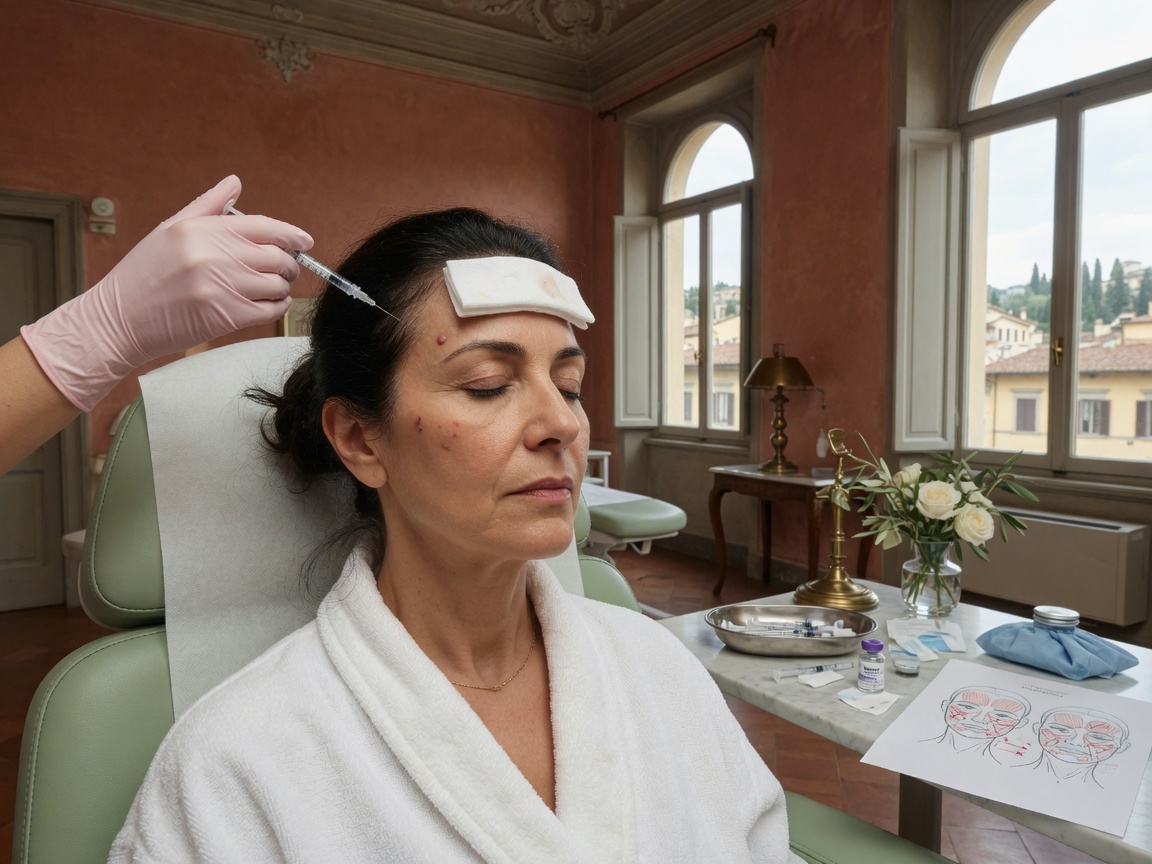
Botox interrupts acetylcholine release at the neuromuscular junction, preventing targeted facial muscles from contracting and smoothing dynamic wrinkles like forehead lines and crow's feet for 3 to 4 months on average.
Mechanism at the Neuromuscular Junction
Botox binds to nerve endings and blocks the release of acetylcholine, the chemical messenger that tells a muscle to contract. Without that signal, the muscle stays relaxed instead of pulling the skin into a crease. The effect begins within 24 to 72 hours as existing acetylcholine stores deplete, reaching full effect by day 7 to 10. It doesn't affect sweat or oil glands, so skin texture improves without any change to how your skin otherwise functions.
Dynamic Versus Static Wrinkles
Dynamic wrinkles form from repeated muscle movement, and that's what Botox addresses. Static wrinkles, the ones still visible when your face is at rest, don't respond to Botox the same way and often need dermal fillers instead, once muscle activity is under control. Botox doesn't add volume or change skin thickness — it only removes the mechanical force behind the crease.
How Long It Lasts
Most people see visible smoothing for 3 to 4 months before nerve terminals regenerate and muscle activity gradually returns. That's why most treatment plans call for a follow-up around the 3 to 4 month mark rather than waiting until movement is fully back. Our full explainer on botulinum toxin covers the different formulations available and how they affect duration.
What Actually Changes in Your Expression
Treated muscles, like the frontalis or corrugator supercilii, simply stop pulling as hard, so expressions like surprise or frowning look softer rather than disappearing entirely. Most people find that others notice a rested look without being able to pinpoint exactly what changed. Muscles outside the injection zone keep functioning normally, which is why well-placed Botox doesn't read as frozen.
What Happens With Repeated Use Over Years
Some people find that lines reappear more slowly after years of consistent treatment, since the skin's had extended periods without the repeated folding that deepens a wrinkle over time. What happens after 20 years of Botox looks at the cumulative effects on muscle and skin in more detail. The core mechanism, though, stays the same at any point in that timeline: a temporary interruption of nerve-to-muscle communication.